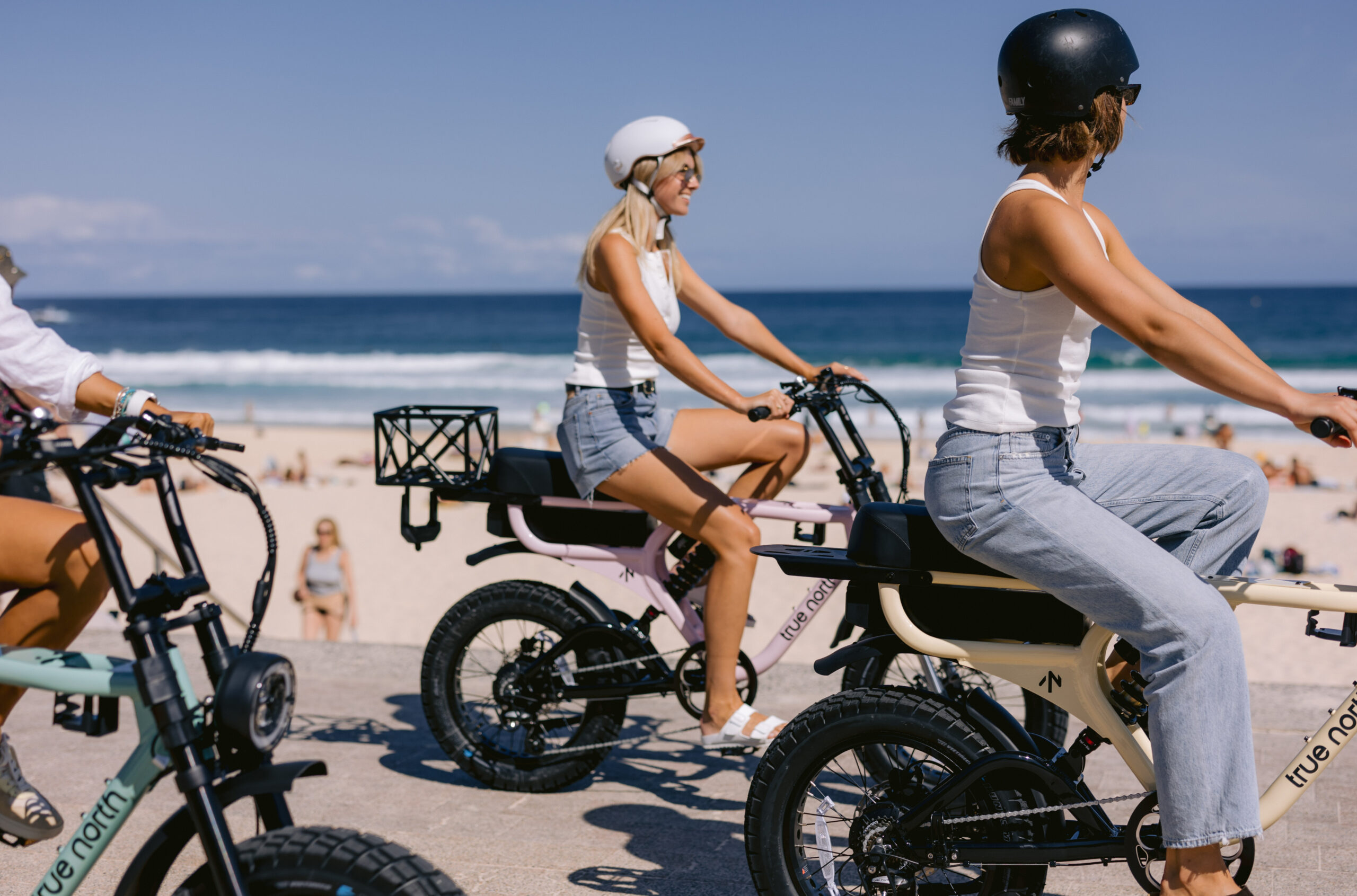
Electric bikes (e-bikes) are booming in popularity across Australia, and it’s not hard to see why. These Electrically Power-Assisted Cycles (EPACs) offer a clean, cost-effective and fun way to get around, often faster than sitting in traffic. Their uptake has clear benefits, taking cars off the road and giving riders (including teenagers) more freedom and time outdoors, but there are growing concerns around safety, liability and insurance coverage. This has many new e-bike owners asking the question: do you need insurance for an e-bike in Australia? If you’re new to the e-bikes, start with our guide: E-Bike Laws in Australia (2025): Everything You Need to Know.
The short answer is that while e-bike insurance isn’t legally required for most riders, it can be a very smart idea. In this article, we’ll explain why, especially for those riding legal EPACs, by looking at third-party liability risks, theft and damage cover, and even new school policies affecting parents of young e-bike riders. We’ll focus on legally compliant e-bikes (EPACs as defined in Australia) and highlight the insurance gaps you should be aware of. The goal is to equip you to ride responsibly and protect yourself, all while celebrating e-bikes as a positive transport solution.
(Note: The information below is for general awareness and not legal or financial advice.)
Understanding Legal E-Bikes (EPACs) in Australia
Before diving into insurance, it’s important to clarify what counts as a legal e-bike in Australia. We’re talking EPACs – Electrically Power-Assisted Cycles – which are treated like ordinary bicycles under the law if they meet certain power and speed limits. Broadly, a legal e-bike must be pedal-assist only (no throttle powering you beyond low speeds) and cut off assistance at 25 km/h.
For the purposes of this article, we assume you’re riding a street-legal e-bike (250 W or 500 W pedal-assist, <25 km/h assist). These do not require registration, licensing or mandatory insurance in Australia. That’s great for accessibility, no rego or CTP costs, but it also means you won’t automatically have the kind of insurance cover a car or motorbike must have. This is where the insurance “gaps” begin to appear for e-bike riders.
The Insurance Gap: No Compulsory Cover for Third-Party Liability
One of the biggest differences between driving a car and riding an e-bike is the lack of compulsory third-party injury insurance for e-bikes. All registered motor vehicles in Australia carry Compulsory Third Party (CTP) insurance which covers injuries caused to others. If you cause an accident with your car, the CTP insurance (or motor accidents scheme) pays the third party’s medical and legal costs. As a cyclist or e-bike rider, however, no such automatic cover exists.
Imagine you accidentally collide with a pedestrian or veer into someone’s parked car. The injured person or the owner of the damaged property could sue you for damages. Had you been driving a car, CTP or comprehensive car insurance would step in. But on an e-bike, you’re essentially self-insured – any compensation might have to come out of your own pocket if you’re found at fault. This scenario is not just theoretical. In Western Australia, for example, cyclists have highlighted feeling exposed due to this gap in the insurance system, since a bike crash that injures a pedestrian isn’t covered by WA’s motor injury insurance scheme. Cases in other countries have seen cyclists held liable for tens of thousands of dollars after collisions with pedestrians, and it’s easy to see how a fast-moving e-bike (which is heavier and can cause more injury than a regular bike) could pose similar risks.
Could your home insurance save you? Possibly – many Australians don’t realise that the personal liability cover in a home & contents insurance policy can cover incidents beyond the home. In fact, insurance experts note that some home contents policies will cover your liability to a third party while riding a bicycle, depending on the policy’s wording and exclusions. For example, an Honorary Fellow at UWA Law School, Dr. Gregory Pynt, explains that the liability section of a home policy “will generally cover you for your liability to a third party whilst riding a bike,” but you must check your specific policy. The catch is that many policies have a “motorised vehicle” exclusion. This might not apply to a legal EPAC (since under the road rules it’s not a motor vehicle), but if the insurer’s definition is broad, they could try to exclude claims arising from any motor-assisted device. Given the relatively new popularity of e-bikes, some insurance policies haven’t caught up and treat e-bikes as a grey area. The safest approach: call your insurer and ask whether your liability cover includes accidents caused by your e-bike. If it doesn’t (or you don’t have a contents policy), then it’s wise to look at other options.
How to get liability cover for your e-bike: You basically have three avenues:
- Join a cycling organisation – Many Aussie cycling organisations include liability insurance as a member benefit. For example, Bicycle NSW, Bicycle Queensland, and AusCycling (formerly Cycling Australia) memberships come with public liability cover (often around $20 million) and personal accident cover for injuries to you. These policies cover you while riding any normal bicycle or e-bike. (Just note they won’t cover an illegally overpowered e-bike – you must be riding within the legal definitions.) Memberships typically cost around $100 per year or less, which is great value for the peace of mind if you ride frequently.
- Specialist cyclist liability insurance – A handful of insurers offer standalone cyclist liability policies. For instance, Velosure (a cycling-specific insurer) has a “Cyclist Liability Cover” option that can be purchased separately or added to a bike insurance policy. These are designed to cover legal fees and any damages if you’re found liable for injuring someone or damaging property while riding. Costs tend to be modest (since serious cyclist-at-fault crashes are relatively rare), so it can be an affordable add-on if not already included elsewhere.
- Comprehensive e-bike insurance policies – As we’ll discuss more below, some dedicated e-bike insurance packages include third-party liability as part of a bundle (along with theft and damage cover). Check the policy details; for example, Velosure’s premium bicycle insurance mentions third-party cover, and some overseas e-bike insurers offer up to $1 million liability included. In Australia, most specialist bike policies do include at least some liability coverage or offer it as an extra, precisely to fill this gap for riders.
The key takeaway on liability is that no, you’re not legally required to have insurance to ride a legal e-bike, but you’d be wise to have some form of liability cover – whether via your home insurance, a cycling membership, or an e-bike insurance policy. Otherwise, a split-second mistake could become a very costly headache.
Theft and Damage: Are E-Bikes Covered by Home Insurance?
Beyond third-party liability, e-bike owners should consider insurance for theft and accidental damage to the bike itself. Quality e-bikes in Australia typically cost anywhere from $2,000 up to $10,000+ for high-end models. Losing that investment to theft or a crash would hurt the wallet, yet many riders assume their home insurance will cover it. This is another area to tread carefully.
A standard home contents insurance policy usually covers bicycles for theft or damage at the home (up to certain limits), but might not cover an expensive e-bike in full, and often excludes cover away from home. Many policies cap the payout for bicycles or require you to list the bike as a high-value item. For example, if you have a $5,000 e-bike and it’s stolen from your garage, a basic contents policy might only pay a sub-limit (sometimes $1,000 or $2,000) unless you’ve specified the item. To get cover away from home – e.g. your e-bike gets stolen from outside a café – you’d typically need to add portable contents or personal valuables cover to your policy. NRMA Insurance, for instance, suggests adding Portable Contents cover to protect your bike outside the home. Even then, some home insurers explicitly exclude e-bikes or any “motorised bicycles” from coverage outside the home, considering them in a grey zone between a bicycle and a motor vehicle. Sundays Insurance (a specialist provider) notes that traditional insurers can be slow to catch up – many renters/home policies overlook e-bikes or decide not to include them, leaving riders surprised by exclusions.
In short, don’t assume your e-bike is fully covered under home insurance. At minimum, call your insurer and ask: Is my e-bike covered for theft and damage, and under what conditions? You may need to list it separately and pay a bit more premium to cover its full value. And if the bike is stolen away from your property, you might only be covered if you bought the portable valuables add-on (and even then, check any security requirements like needing a certain type of lock).
Specialist E-Bike Insurance for Theft, Damage and More
Because of these limitations, a growing number of e-bike owners are turning to specialist bicycle insurance. Dedicated bike insurance policies in Australia (offered by companies like Velosure, Sundays Insurance, BikeInsure, etc.) are designed to cover the unique risks of cycling. These typically offer comprehensive cover for your e-bike, including:
- Theft – covering theft at home or away, usually provided you used a proper lock and took reasonable precautions. For example, Velosure will cover theft away from home if the bike was in your line of sight or secured with an approved lock. Always check the lock requirements in the policy – some require specific standards (often a Gold-rated U-lock or similar).
- Accidental damage – covering crashes, collisions or accidental falls that damage the bike. This can include damage to the frame, wheels, and also the electrical components (motor, battery) which can be expensive to fix. For instance, one e-bike insurer highlights that their policy will cover those “embarrassing moments” like a fall, as well as major crashes beyond your control.
- Malicious damage and vandalism – if someone deliberately damages your e-bike, slashes the tires, etc., that’s typically covered in bike insurance policies (whereas it might not be in a home policy unless it occurred during a break-in).
- Transit cover – protection if your bike is damaged during transport, say on a car bike rack or by an airline. Some policies automatically include this; e.g. Velosure notes they cover damage by airline baggage handlers for bikes in local transit.
- Personal accident – Many bike insurers include a form of personal accident cover for the rider. This usually pays a lump sum if you suffer a serious injury (like loss of income, or a permanent disability) while riding. It’s not a substitute for health insurance or income protection, but a little extra safety net. Velosure’s e-bike policy, for example, includes limited personal accident benefits for permanent injury or death from a cycling crash.
- Third-party liability – As discussed, some comprehensive packages include liability cover (or you can add it). Always double-check; if it’s not included, consider sourcing liability via other means as noted earlier.
- Accessory cover – You can often insure your extras like helmets, lights, or specialised components if you specify them. There may also be options for racing cover (if you participate in events) or worldwide cover if you travel with your e-bike.
Specialist e-bike insurance isn’t overly expensive – many start around $8–$12 per month for basic coverage (the premium depends on the value of your bike and the cover options). As Bicycle Network noted in a 2022 report, comprehensive e-bike insurance might be roughly $340 a year for a high-end bike, which might be worthwhile given the replacement cost of the bike and the broad coverage you get. Of course, if your e-bike is on the cheaper end or you rarely ride/leave it unattended, you might decide to self-insure those risks, but most regular riders find the specialist cover gives peace of mind.
Young Riders and School Considerations
E-bikes have become especially popular among teenagers for getting to school or sports practice – which is fantastic for independence and reducing school-run traffic. However, parents need to be aware of insurance and liability implications when kids ride e-bikes, particularly high-powered or non-compliant ones.
Firstly, as mentioned, an overpowered e-bike (one that doesn’t meet the EPAC legal definition) is treated as an uninsured, unregistered motor vehicle on the road. If a teenager rides such a bike to school and gets into an accident, they have no protection under motor vehicle insurance schemes, and in fact are breaching the law. This has led some schools and education authorities to issue advisories or even bans on certain e-bikes. For example, in Sydney’s Northern Beaches, council and police have cracked down on illegal “fat bikes” ridden by youths after serious near-misses – in one case a 3-year-old toddler suffered a broken leg after being hit by a teen on a high-powered e-bike. It’s not hard to imagine the legal fallout if that were your child riding – the family of the injured party could pursue damages, and your household could be liable.
Many school insurance policies (student accident insurance) also exclude motorised vehicles from their coverage. Schools often have either a Department-provided insurance for certain activities or recommend parents take out student accident insurance. These policies typically do not cover injuries sustained while using a motor vehicle (because those are normally covered by CTP or other motor insurance). An illegal e-bike would likely fall under that exclusion. Even a legal e-bike might be considered a “vehicle” by some insurers. This means if your child is injured riding their e-bike to school, any school-provided insurance might not pay – leaving Medicare or your private health insurance to cover costs, and no lump-sum benefits that some student policies otherwise provide. In short, parents shouldn’t assume “the school will cover it” if an e-bike is involved.
What can parents do? Ensure your child’s e-bike fully complies with legal requirements (power and speed limits) – this keeps them on the right side of the law and insurance. Talk to your school if unsure; some schools have implemented e-bike rules, like requiring helmets and only allowing legal EPACs on campus. It’s also wise for families to have personal liability coverage (via home insurance or cycling membership as discussed) that extends to all family members, including children. That way, if your teenager accidentally causes injury or damage while riding, your insurance can respond. Finally, consider a specialist e-bike insurance for your child’s bike if theft at school or damage is a concern – for example, some insurers will cover theft from school bike racks if the bike was properly locked. And of course, encourage safe riding habits. E-bikes are a wonderful way for young people to get around, but with a bit of added speed comes added responsibility.
Home Insurance vs Specialist Cover: A Quick Comparison
To recap the differences, here’s a quick comparison of using home insurance vs. a specialist e-bike policy (or membership) for protection:
- Third-Party Liability: Home insurance may cover your liability as a cyclist, but check for motor vehicle exclusions. Specialist cycling cover or membership will cover this explicitly.
- Theft/Damage to Bike: Home insurance covers theft from home (subject to sub-limits) and usually not theft away from home unless you add portable contents cover. Even then, high-value e-bikes might not be fully covered. A bike-specific policy covers theft and accidental damage anywhere (just follow security requirements).
- Personal Injury (rider): Neither home contents nor a standard bike policy covers your medical costs (Medicare/health insurance does that), but cycling membership or some bike policies include a personal accident benefit (e.g. covering some out-of-pocket medical expenses or a lump sum for serious injury). This isn’t a replacement for health cover, but it’s something.
- Incidents with cars: If an e-bike rider is injured by a motorist, that falls under the motorist’s CTP insurance (you can claim as an injured third party). But if no car is involved (solo crash or bike-vs-pedestrian), no CTP applies – so your own cover (personal accident or health insurance) and the liability coverage are what matter. This is why having those in place is crucial.
- Exclusions: Home policies might exclude any “motorised device” or require the bike to meet legal standards. Specialist insurers require your e-bike to be road-legal (for example, Velosure only covers e-bikes that are pedal-assist up to 500W, 25km/h – no DIY modified bikes). If you’ve chipped your e-bike to go 45 km/h, don’t expect an insurer to cover that. Always be upfront about modifications or the exact model when getting insurance.
Riding Smart: Insurance as Part of Responsible E-Bike Ownership
You don’t need a dedicated insurance policy to enjoy your e-bike, but understanding the risks and how to cover them will give you valuable peace of mind. Australians are embracing e-bikes for good reason – they’re eco-friendly, economical and a joy to ride. The goal is to keep it that way even if life throws a curveball (or a pothole) at you.
A supportive note: Being aware of insurance gaps doesn’t mean e-bikes are “dangerous” or something to fear. It simply means as riders, we take responsibility for the impact we can have on others and plan for mishaps. In fact, advocacy groups argue that e-bikes should not be subject to onerous insurance or registration requirements that would hinder adoption. The current approach in Australia strikes a balance – no compulsory insurance burden for legal e-bikes, as long as riders voluntarily manage their own risk.
So, do you need insurance for your e-bike? Legally, no. Practically, for most riders it’s highly recommended. At the very least, make sure you have public liability cover in case you injure someone. Then consider how you’d handle a stolen or wrecked bike: could you afford to replace it? If not, look into insuring it either under your home policy (with proper extensions) or through a bicycle-specific insurer. And for parents of e-bike loving teens, double-check those school rules and have a talk about staying within legal limits – it protects not just your child, but everyone around them.In summary, e-bikes are a fantastic mobility solution and their popularity in Australia is only set to grow. By filling the insurance gaps with a bit of preparation – whether through membership or a tailored policy – you can ride with confidence that you’re covered for the what-ifs. Ride safe, ride legal, and enjoy the ride knowing you’ve got the necessary protections in place. For a complete overview of what makes an e-bike legal in Australia (including power limits, assist rules and state nuances), see our article: E-Bike Laws in Australia (2025): Everything You Need to Know.