True North Blog
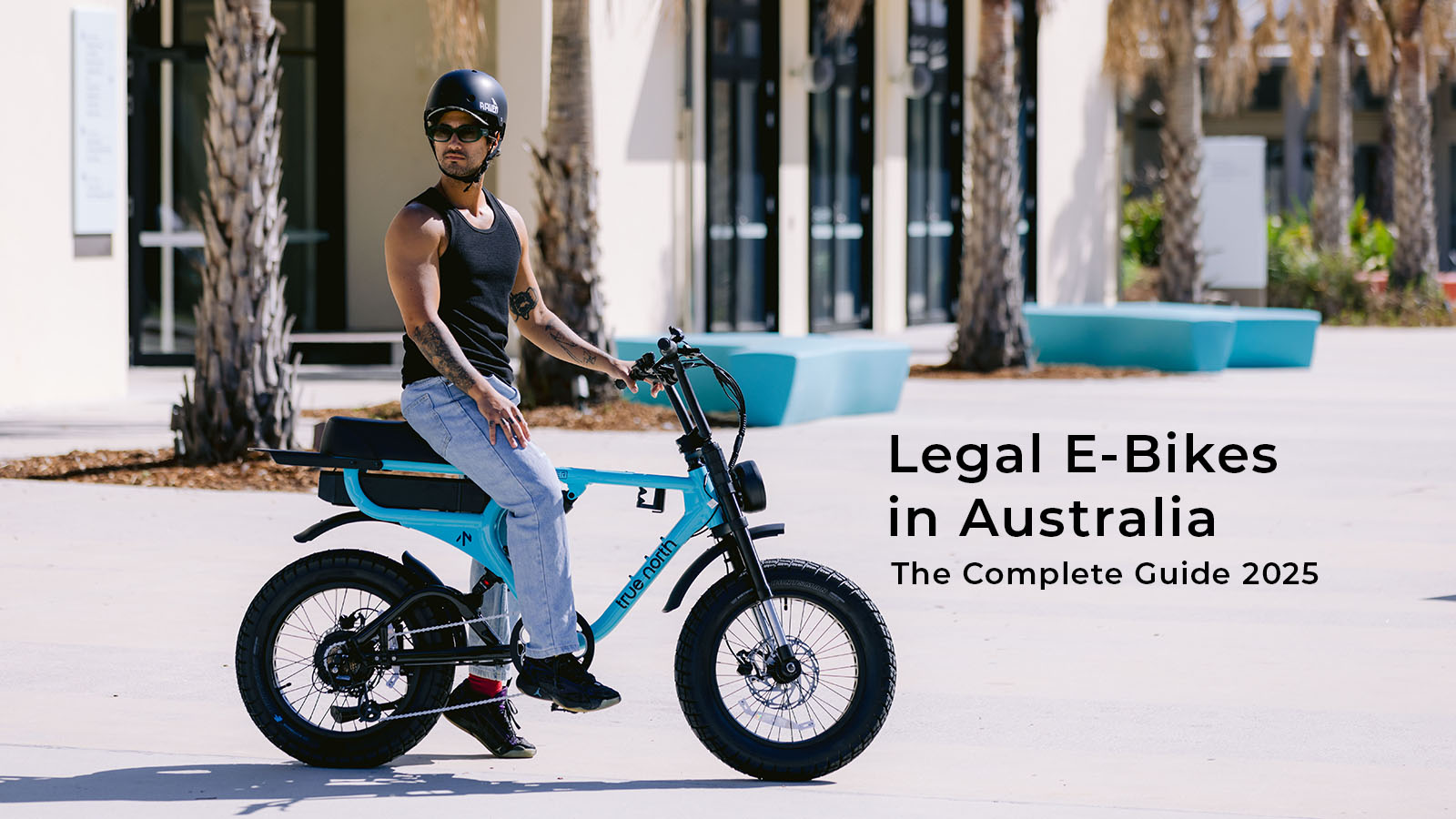
For many Australians, an e-bike is more than a way to get around. It has become a practical replacement for a second car, a way to avoid traffic, a faster way to commute, or simply the easiest way to enjoy riding again. Yet as interest grows, so has confusion. More buyers are now asking a simple but important question: “Which
UL 2849 Certification has become one of the most talked-about e-bike standards in 2025. It appears in online ads, spec sheets, and retailer descriptions, often positioned as the “highest level” of e-bike safety. That perception is not wrong, but it is also not the full story. UL 2849 confirms outstanding electrical and fire safety, but it does not verify whether
If you’re shopping for a safe and legal e-bike, you’ve probably seen certifications such as EN 15194, the European standard for 250 W Electrically Power-Assisted Cycles (EPACs), or UL 2849, the American electrical-safety system that verifies wiring, battery, and charger integrity across all power levels.
When shopping for an e-bike, you might see EN 15194 Certified or Built to comply with EN 15194. But what does that actually mean? For Australian buyers, understanding EN 15194 Certification is essential, because it can determine whether an e-bike is legally a bicycle, or an unregistered motor vehicle.
E-bike certification is a good thing. It means the Australian e-bike market is maturing, filtering out unsafe imports, and focusing on quality, tested products. But there’s a catch: not all certifications mean the same thing, and they don’t necessarily make an e-bike legal to ride on roads, shared paths, or cycleways.
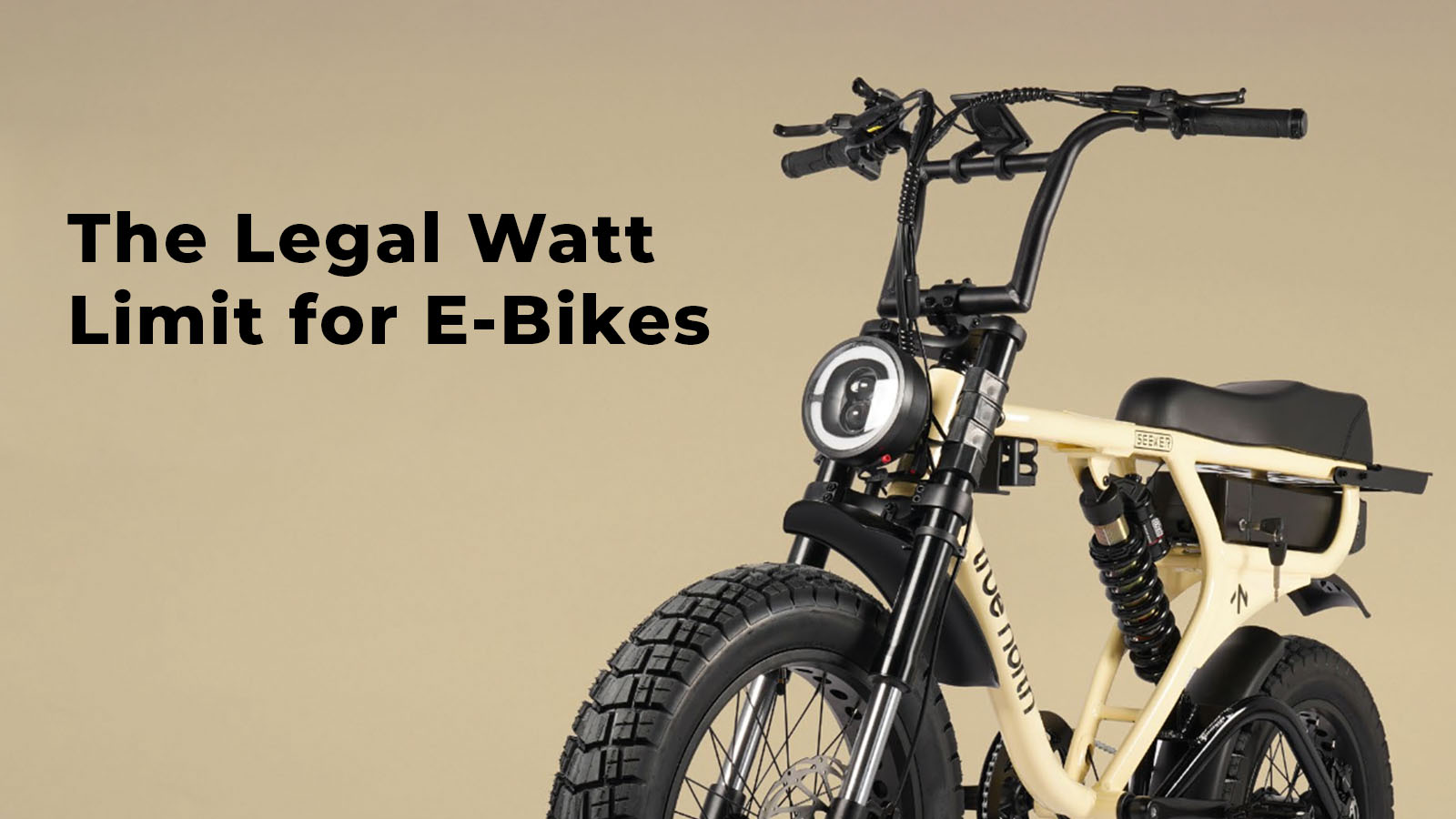
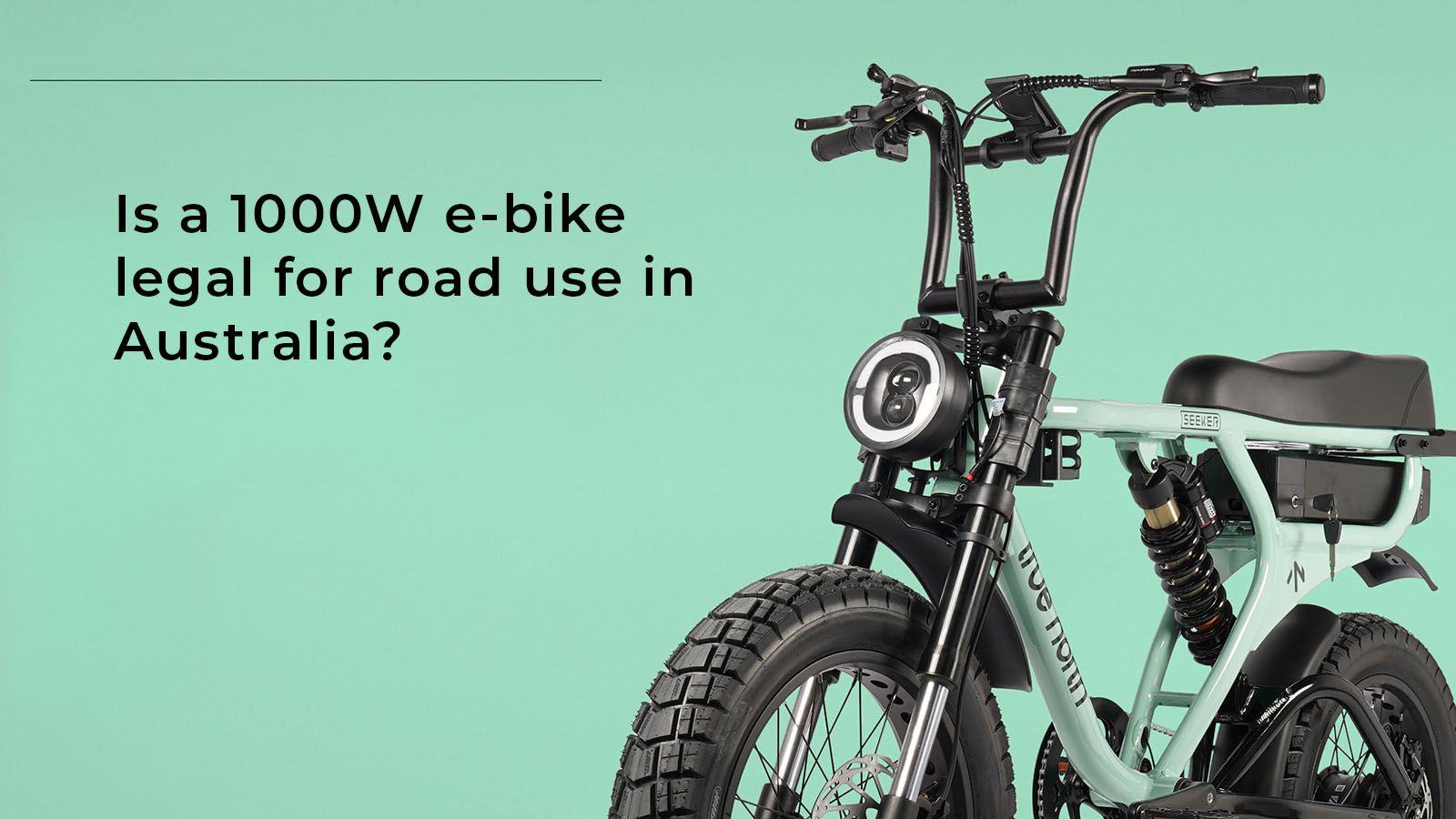
If you are asking “is a 1000W e-bike legal in Australia,” the short answer is no for public roads and paths. Across most states and territories the legal watt limit for a road-legal e-bike is 250 W continuous rated power.
For many Australians, an e-bike is more than a way to get around. It has become a practical replacement for a second car, a way to avoid traffic, a faster way to commute, or simply the easiest way to enjoy riding again. Yet as interest grows, so has confusion. More buyers are now asking a simple but important question: “Which e-bikes are actually legal in Australia?” It is a sign of a market where buyers struggle to make sense of
UL 2849 Certification has become one of the most talked-about e-bike standards in 2025. It appears in online ads, spec sheets, and retailer descriptions, often positioned as the “highest level” of e-bike safety. That perception is not wrong, but it is also not the full story. UL 2849 confirms outstanding electrical and fire safety, but it does not verify whether an e-bike meets Australian power and speed limits, and it does not determine whether a bike is legal to ride
If you’re shopping for a safe and legal e-bike, you’ve probably seen certifications such as EN 15194, the European standard for 250 W Electrically Power-Assisted Cycles (EPACs), or UL 2849, the American electrical-safety system that verifies wiring, battery, and charger integrity across all power levels.
Be the First to Know
Sign up for early access to new bikes, limited offers, exclusive content, and local events.