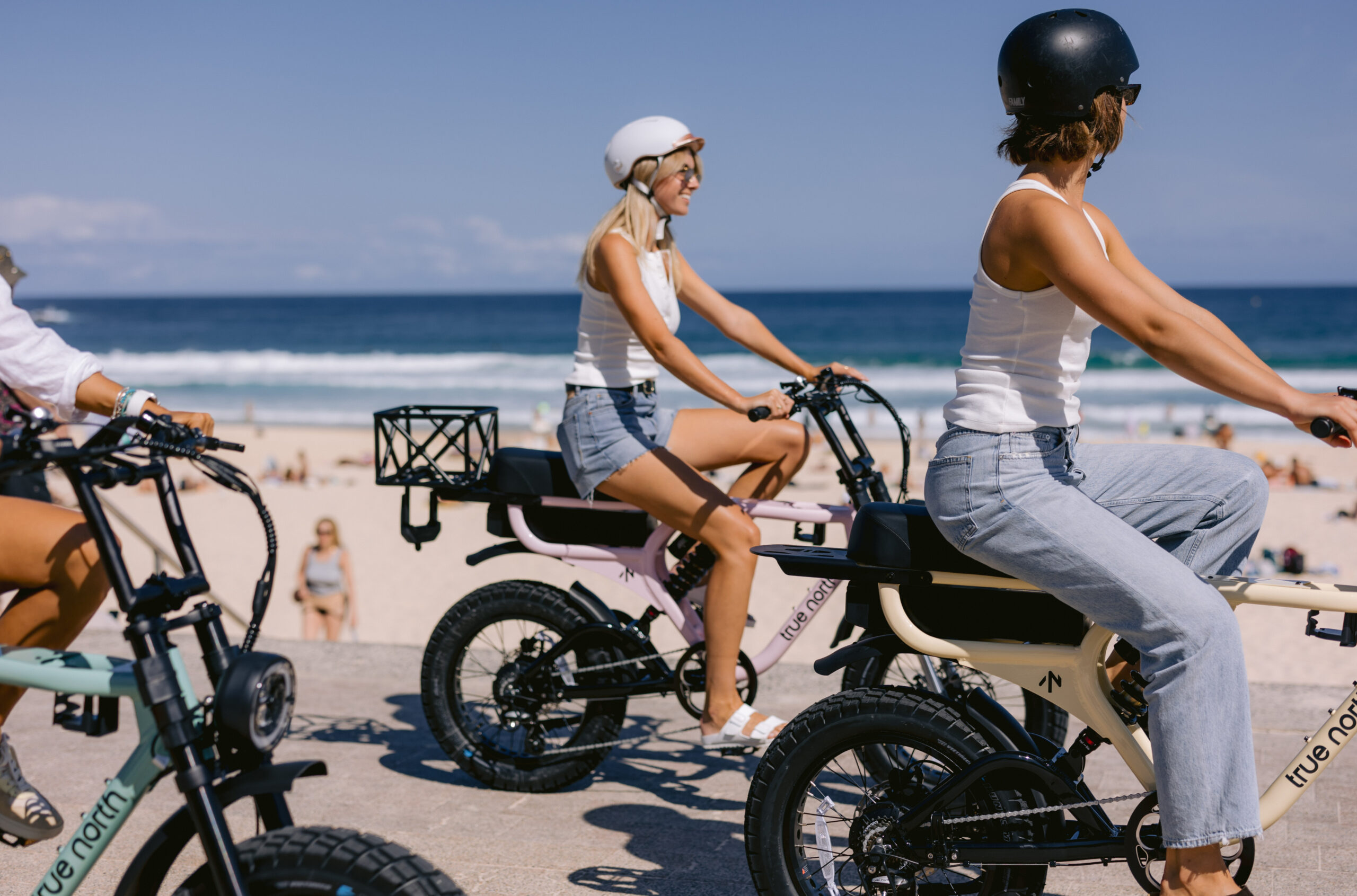
It starts with the little things. A morning loop to the café. A quick trip to the markets. A shortcut through the park on the way to a mate’s place. Then one day, you realise you haven’t started your car in weeks.
Across Sydney, something’s happening. A quiet, battery-powered shift. E-bikes, once the domain of delivery riders and tech early adopters, are becoming the first vehicle people reach for. And in some cases, the only one.
But is it really possible to ditch your car and ride an e-bike instead? In metropolitan, the answer is increasingly: yes.
The Car is No Longer King (Especially in the City)
If you live in a high-density suburb, think Bondi, Surry Hills, Newtown, Marrickville, you already know the drill. Parking is painful. Traffic is endless. Fuel is pushing $2.30 a litre. And every weekend outing seems to begin with a silent question: Do I really need to drive?
E-bikes offer a clear answer. They don’t ask you to change your life, they just change how you move through it. You still get to the same places. You still carry a bag, or a passenger. You just do it faster, cheaper, and with a bit of fresh air on the way.
Dedicated Bike Lanes are on the Rise in NSW
One of the most common concerns for people considering an e-bike is road safety. But the reality in NSW, especially in Sydney, is changing fast.
Over the past few years, the city has invested heavily in dedicated cycleways, separated bike lanes, and safer shared paths. From the Bourke Street route to new corridors through Redfern, Pyrmont, and the CBD, it’s now possible to get across town without battling cars or riding in gutters.
And because e-bikes travel at a steady 20–25 km/h with pedal assist, you don’t feel like you’re holding up traffic. You can comfortably keep pace with cars on local roads, pass stopped buses and peak-hour queues, and navigate through the city with freedom that just isn’t possible behind a steering wheel.
For many short trips, to the gym, the shops, a mate’s place, the beach, you’ll arrive faster than if you drove.
The Real Question: Can It Replace the Car?
In our experience: partially. But only if you’re honest about what you actually use your car for. Many of us aren’t driving 30km to work. We’re doing short, local trips, a few kilometres here, a few there. That’s where e-bikes shine. They eliminate the logistical clutter of city driving. No petrol. No rego. No traffic. No time spent circling for a park.
How Much Could You Really Save?
Here’s an estimated comparison based on average Sydney figures:
| Cost | Small Car | E-Bike |
| Fuel | ~$2,000 / year | ~$80 / year (charging) |
| Registration & Insurance | ~$2,000 / year | $0 (not required) |
| Maintenance | ~$500 / year | ~$100 / year |
| Parking | ~$40 / week | Free |
Estimated savings: $3,000–$5,000 per year, depending on how often you ride. That’s not counting tolls, traffic tickets, or the time you’ll get back every week.
What Should I Consider When Buying an E-Bike?
Not all e-bikes are created equal. Replacing your car (even part-time) means choosing a bike that’s:
- Comfortable and stable on rough roads
- Powerful (up to 500W continuous) with solid torque for hills and loads
- Practical enough to carry groceries, gear, or a second passenger
- Built to comply with NSW e-bike regulations
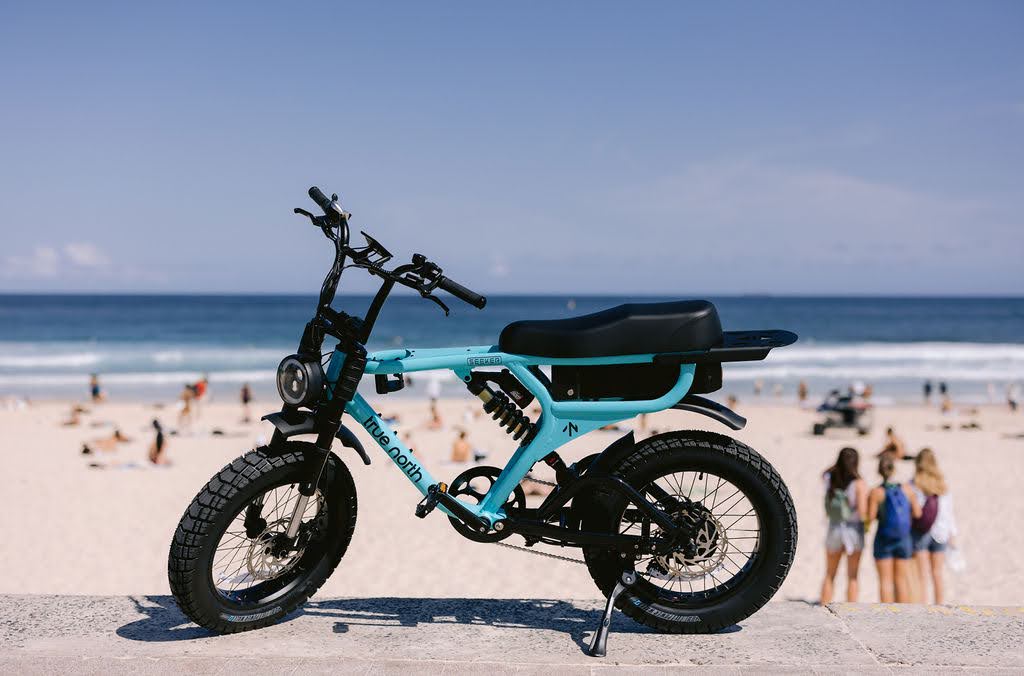
All True North E-Bikes are designed from the ground up for exactly this kind of riding. It’s not just a fun weekend cruiser it’s a capable vehicle. One that fits the pace and pressure of urban living.
The Transition Is Easier Than You Think
Most people don’t sell their car the moment they buy an e-bike, and you don’t have to.
For many households, the smarter first move is replacing the second car, not the only one. That second vehicle usually does short trips anyway: the grocery run, the café loop, a dash to the gym, or school pickups. All of those are simpler (and far more enjoyable) on two wheels.
You still keep the car for weekends away, wet weather, or those longer drives when the dog’s in the back and the boot’s full. But suddenly, the errands, the everyday back-and-forth, the debates over who’s taking the car, they’re gone.
That’s how it happened for us. We swapped our second car for e-bikes. We didn’t lose convenience. We gained time, money, freedom, and a better connection to the place we live.
Final Thoughts
Can an e-bike replace your car entirely? Not in every situation.
But if you’re like most Sydney residents, your car isn’t being used for grand adventures or long road trips every day. It’s being used for local errands, short commutes, and unnecessary time spent stuck behind brake lights.
That’s where an e-bike makes the biggest difference.
It won’t replace your car on wet days or when you’re heading out of town — but it will replace hundreds of short, frustrating, expensive trips every year. And once you make that shift, you’ll wonder why you waited so long.
At True North, we build e-bikes that are ready for that change. Practical, compliant, and designed for city life — without compromise. Book a test drive at your local retailer to experience the difference.